


Lynch Carpenter NAMED LITIGATION DEPARTMENT OF THE YEAR BY THE
LEGAL INTELLIGENCER
The Legal Intelligencer is pleased to announce the 2020 Professional Excellence Award winners. We are delighted to highlight the great work and achievements across the full breadth of the Pennsylvania legal community.
Litigation Department of the Year (General)
Lynch Carpenter, LLP
“We are honored to be selected as the Litigation Department of the Year by the Legal Intelligencer. Congratulations to our incredible team of attorneys and staff who continuously pursue justice for the men, women and children around the country.” - Bruce Carlson and Gary Lynch
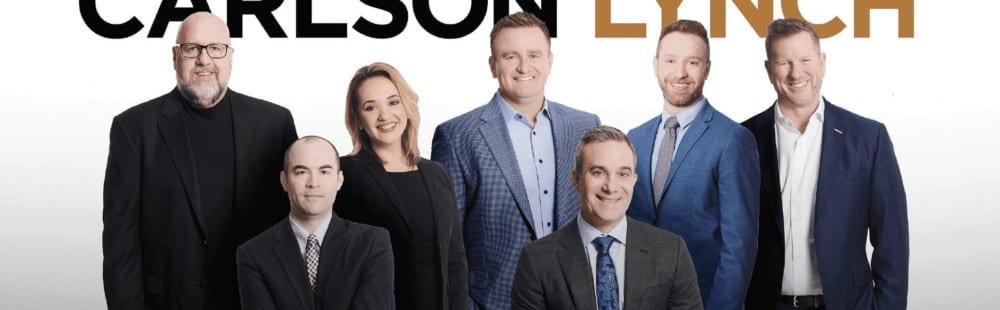
2020 SUPER LAWYERS' & RISING STARS' ANNOUNCED
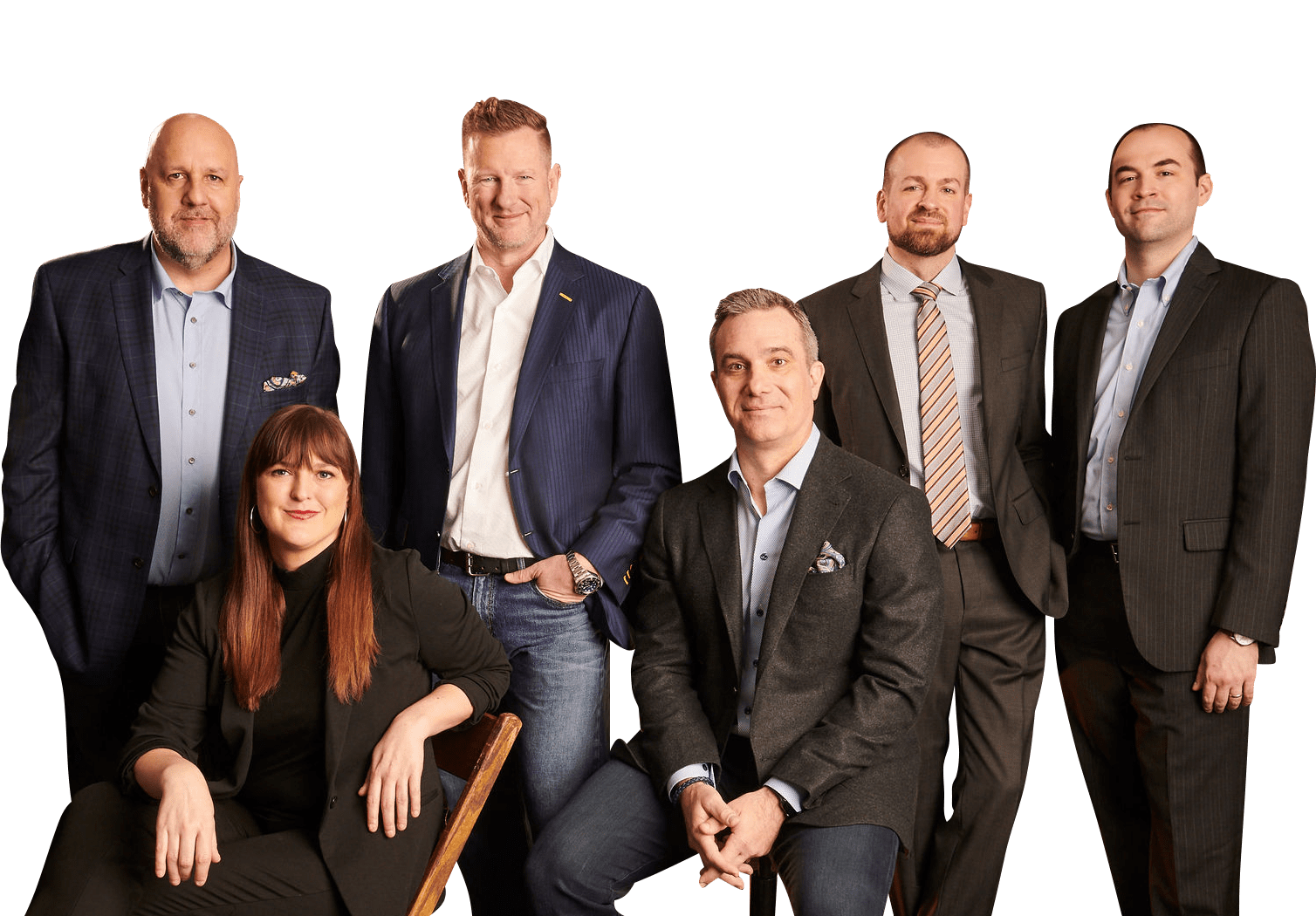
 Each year Super Lawyers recognizes select attorneys from more than 70 practice areas who have attained a high degree of peer recognition and professional achievement. We would like to congratulate Lynch Carpenter Super Lawyers’ Gary Lynch, Katrina Carroll, Todd Carpenter and Ed Kilpela and Rising Stars’ Jamisen Etzel and Kyle Shamberg.

At Lynch Carpenter, our team has been raising the level of discussion, debate and change towards justice in this country for more than thirty years.
“Our team fights for justice every day. We continue to be a voice for those who have been silenced. Congratulations to our team members selected as this year’s Super Lawyers* and Rising Stars** honorees.” -Bruce Carlson and Gary Lynch
Pictured from left to right: Gary Lynch*, Jamisen Etzel**, Katrina Carroll*, Todd Carpenter*, Ed Kilpela*, Kyle Shamberg**, Bruce Carlson

7th Circ. Surprises By Keeping BIPA Suits In Federal Court
 Law360 | May 6, 2020 | Celeste Bolt
The Seventh Circuit significantly changed the landscape of biometric privacy litigation Tuesday when it held that federal courts can hear claims over whether defendants violated Illinois’ landmark biometric law by collecting such data without informed consent.
Its ruling answered a question that had loomed large over the booming crop of Illinois Biometric Information Privacy Act lawsuits — and come out differently than many federal district courts that have booted BIPA suits as alleging mere procedural violations without harm.
Attorneys from both the plaintiff and defense bars say they’re relieved to have an answer to a standing fight that forced them into what Chief Judge Diane Wood referred to as a “role reversal,” with companies accused of violating the law arguing federal standing existed when plaintiffs said otherwise.
The “bombshell” decision could even prompt input from the nation’s top court as the Seventh Circuit’s ruling deepens a circuit split on the issue, said John M. Fitzgerald, a Chicago-based partner at Tabet DiVitto & Rothstein LLC and author of a recently published book on BIPA.
A panel of the appellate court held Tuesday that former Compass Group USA Inc. employee Christine Bryant alleged more than a mere procedural violation when she claimed the company failed to disclose its intentions before collecting her biometric information through a vending machine at work.
Compass’ alleged failure to disclose deprived Bryant of substantive information that she was legally entitled to, and prevented her from giving Compass the type of informed consent BIPA requires, which is a concrete and particularized injury that establishes standing, the panel said.
That finding is in line with the Ninth Circuit’s similar ruling in Patel v. Facebook Inc, in which it found Facebook’s alleged BIPA violations constituted an injury-in-fact, but marks a departure from the Second Circuit’s conclusion in Santana v. Take-Two interactive Software Inc, in which the court held that plaintiffs lacked Article III standing without alleging private data could be disseminated or misused.
“If I was Ms. Bryant, I’d file a certiorari petition on this issue,” Fitzgerald told Law360. “It affects a very large number of lawsuits all across the country, and we hav ea clear circuit split of Article III standing.”
Much-Needed Clarity
The Bryant ruling makes BIPA standing requirements for federal court consistent with those for Illinois state court, and the Seventh Circuit’s reasoning is sound give that the BIPA law is somewhat unorthodox, said Todd Rowe, a partner at Tressler LLP.
“Fundamentally, because this statute is so unique, [that is] why we’re seeing this struggle,” Rowe said. “ultimately, I think the Seventh Circuit had to go there.”
Most privacy laws require some sort of breach, or real-world harm, and BIPA is unique to the extent you don’t need that breach, Rowe said.
The Illinois Supreme Court in 2019 determined that a mere violation of the state’s biometric privacy law is enough to confer standing without proof of actual harm in Rosenbach v. Six Flags.
“The failure to give notifications is the damages. The damages are almost built in,” he said. “State courts had it right from the start.”
Through the ruling may seem like more of a victory for defense attorneys who would prefer to litigate these cases in federal court, it also comes as a relief to plaintiffs’ attorneys like Lynch Carpenter LLP partner Katrina Carroll, who has feared the suits could go on for months in one forum only to have a judge decide it’s not the right court to hear the case.
“We’re thrilled we have clarity now and know where we can proceed with these cases,” she told Law360. “Federal court is the place to be, and we’re comfortable litigating there.”
Before the Seventh Circuit weighed in, plaintiffs were finding themselves in a “very precarious situation,” Caroll said.
“As [a plaintiff], I’m not going to stand up in front of a federal court and argue that I don’t have the standing to be there,” she said.
Fitzgerald agreed that it feels “counterintuitive” to describe Tuesday’s ruling as a win for the defense bar, even though they’re been in a position where they must argue their opponents’ claims have standing to stay in or move to federal court.
“it’s interesting that this victory for the defense bar occurs in the context of a court saying that violations fo BIPA do create injuries-in-fact that are sufficiently concrete to create Article III standing,” Fitzgerald said.
A ‘Strategic Option’ for Defense Attorneys
To Benesch Friedlander Coplan & Aronoff LLP defense attorney Mark Eisen, the Bryant decision was somewhat unexpected, given that district courts have by and large found similar claims lacked Article III standing and, based on prior Seventh Circuit authority, related to the collection of personal information.
“This decision did not really make an effort to separate those decisions from the district courts or the decision from the Second Circuit with any significant analysis, maybe because the Seventh Circuit views biometrics being treated somewhat differently,” Wisen said.
As a practical matter, plaintiffs in BIPA cases aren’t alleging something wrong was done, he said.
“They’re saying, ‘I knew what I was doing, but you should have given me certain information before I did that,” Eisen said. “To find that was enough under [Spokeo Inc. v. Robins], I think is fairly unexpected. But we’ll take it.”
The decision subjects BIPA cases— which are often brought on behalf of a putative class — to a more stringent analysis under Federal Rule of Civil Procedure 23, which governs class actions, and brings a strategic option to the table that many plaintiffs’ lawyers may have been looking to avoid, he said.
For example, the Seventh Circuit has taken a more defense-friendly view of union issues in the BIPA context, where some state authority hasn’t, Eisen said.
“It seems to be one of those relatively rare circumstances where the defense is certainly benefiting from the Seventh Circuit’s guidance on this, which has not always been defense-friendly,” he said.
Duty to Public Vs. Individuals
While the Seventh Circuit found Bryant’s proposed class claim under Section 15(b) of BIPA — which requires, among other things, a written release before biometric information is collected — shouldn’t have been sent back to state court, it found she lacked standing to pursue her claims under Section 15 (b) of the statute, which requires a publicly available data public retention schedule and guidelines for permanently destroying biometric information.
The court held Compass’ duty under that section of the statue is to the public generally, not the specific individuals whose biometric information it collects, and Bryant alleged no particularized harm for the violation of that aspect of BIPA, the panel said.
But it was a distinction Fitzgerald found surprising, given the purpose of the laws as a whole, he said.
“15(b) and 15(b) were generally intended to protect the same rights. It’s certainly a surprising element of the ruling,” he said.
Rowe, however, said it makes sense given that the opinion was largely driven by the need to get Bryant’s consent or the opportunity to consent.
Carroll agreed, saying the court concluded that if Bryant had all the relevant information, she might have chosen to buy snacks from Compass’ biometric vending machines.
“That to me is what swayed them… as opposed to the general injury to the public at large,” she said.
And while the distinction does raise the question of whether to pursue an alleged Section 15(a) violation separately in Illinois state court, where a crafty plaintiff could attempt to make a “removal proof” claim, it’s not something Carroll said she would explore.
“If there’s now a recognition that the injuries under 15(b) are concrete and particularized… and plaintiffs can seek redress for them, that’s what we’re more interested in,” she said.
Law360's Benefits Editorial Advisory Board
Law360 announced the members of its 2019 Benefits Editorial Advisory Board.
“The purpose of the editorial advisory board is to get feedback on Law360’s coverage and gain insight from experts in the field on how best to shape future coverage.”
Lynch Carpenter attorney Edward W. Ciolko was named a member of this years’ board.
“Ed Ciolko specializes in federal statutory claims involving mismanagement of pension funds and fees (ERISA), violation of real estate transaction protections (Real Estate Settlement Procedures Act/discriminatory & predatory lending), antitrust market monopolization/generic drug blockage and overtime/worker misclassification claims (Fair Labor Standards Act) as well as state fiduciary breach, student predatory lending and insurance/reinsurance related actions.”
 Law360 announced the members of its 2019 Benefits Editorial Advisory Board.
“The purpose of the editorial advisory board is to get feedback on Law360’s coverage and gain insight from experts in the field on how best to shape future coverage.”
Lynch Carpenter attorney Edward W. Ciolko was named a member of this years’ board.
“Ed Ciolko specializes in federal statutory claims involving mismanagement of pension funds and fees (ERISA), violation of real estate transaction protections (Real Estate Settlement Procedures Act/discriminatory & predatory lending), antitrust market monopolization/generic drug blockage and overtime/worker misclassification claims (Fair Labor Standards Act) as well as state fiduciary breach, student predatory lending and insurance/reinsurance related actions.”

Federal Court Rules That Civil Rights Claims Against Uber Must Be Heard in Court
Ruling comes after Uber tried to avoid its legal responsibility to provide transportation accessible for all
 PITTSBURGH, PA (November 13, 2019) – Yesterday, a federal court in Pittsburgh ruled that plaintiffs suing Uber for failing to provide transportation accessible to people with disabilities cannot be forced into arbitration and must have their claims heard openly in federal court.
Filed on June 11, 2019, the lawsuit seeks modifications to Uber’s policies and practices to ensure that the company makes wheelchair-accessible vehicles readily available to Pittsburgh riders who need them. Plaintiffs do not seek monetary damages.
“We filed this lawsuit to ensure that Uber and other ridesharing companies provide transportation that is accessible to all, including people with disabilities,” said Disability Rights Advocates staff attorney Melissa Riess and Lynch Carpenter LLP Founding Partner R. Bruce Carlson. “Facing a number of accessibility lawsuits around the country, Uber has repeatedly tried to prevent these claims from being heard in court to avoid their legal obligation to provide accessible transportation. This ruling reinforces that the right to accessible transportation is a civil right, and it cannot be denied to our clients or anyone else.
“Plaintiffs are not seeking monetary damages. This suit is not about money. It’s about ensuring an inclusive transportation system for all Pittsburghers.”
The ruling means that the plaintiffs can proceed in federal court and have their claims heard under federal civil rights laws – allowing the case to proceed on the plaintiffs’ claims of systemic discrimination by Uber against people with disabilities.
Drawing on previous rulings in similar cases, the court rejected as “meritless” Uber’s novel argument that people who have not downloaded Uber’s app or signed up to its terms of use could be forced into arbitration and upheld the basic legal principle that someone cannot be bound by a contract they did not agree to.
In addition to the case filed against Uber in Pittsburgh, DRA has filed cases against Uber in New York and California for their failure to serve riders who use wheelchairs. DRA has also filed a case against Uber’s competitor Lyft in California. These cases are critical to protecting the rights of wheelchair-users throughout the country. More background on the case is available here.
# # #
About Disability Rights Advocates
With offices in New York and California, Disability Rights Advocates is the leading nonprofit disability rights legal center in the nation. Its mission is to advance equal rights and opportunity for people with all types of disabilities nationwide. DRA represents people with all types of disabilities in complex, system-changing, class action cases. DRA is proud to have upheld the promise of the ADA since our inception. Thanks to DRA’s precedent-setting work, people with disabilities across the country have dramatically improved access to education, health care, employment, transportation, disaster preparedness planning, voting, and housing. For more information, visit dralegal.org.
About Lynch Carpenter LLP
Lynch Carpenter, LLP is a national class action firm which currently has more than 20 lawyers spread across offices in Pittsburgh, San Diego, Los Angeles, and Chicago. Since 2010, the firm has dedicated significant resources to litigation on behalf of individuals with disabilities. The firm is committed to pursuing impactful cases that advance the interests of the disabled community on the largest possible scale. Lynch Carpenter also regularly litigates class actions involving data breach, privacy, consumer protection, and wage and hour violations
Ruling comes after Uber tried to avoid its legal responsibility to provide transportation accessible for all
PITTSBURGH, PA (November 13, 2019) – Yesterday, a federal court in Pittsburgh ruled that plaintiffs suing Uber for failing to provide transportation accessible to people with disabilities cannot be forced into arbitration and must have their claims heard openly in federal court.
Filed on June 11, 2019, the lawsuit seeks modifications to Uber’s policies and practices to ensure that the company makes wheelchair-accessible vehicles readily available to Pittsburgh riders who need them. Plaintiffs do not seek monetary damages.
“We filed this lawsuit to ensure that Uber and other ridesharing companies provide transportation that is accessible to all, including people with disabilities,” said Disability Rights Advocates staff attorney Melissa Riess and Lynch Carpenter LLP Founding Partner R. Bruce Carlson. “Facing a number of accessibility lawsuits around the country, Uber has repeatedly tried to prevent these claims from being heard in court to avoid their legal obligation to provide accessible transportation. This ruling reinforces that the right to accessible transportation is a civil right, and it cannot be denied to our clients or anyone else.
“Plaintiffs are not seeking monetary damages. This suit is not about money. It’s about ensuring an inclusive transportation system for all Pittsburghers.”
The ruling means that the plaintiffs can proceed in federal court and have their claims heard under federal civil rights laws – allowing the case to proceed on the plaintiffs’ claims of systemic discrimination by Uber against people with disabilities.
Drawing on previous rulings in similar cases, the court rejected as “meritless” Uber’s novel argument that people who have not downloaded Uber’s app or signed up to its terms of use could be forced into arbitration and upheld the basic legal principle that someone cannot be bound by a contract they did not agree to.
In addition to the case filed against Uber in Pittsburgh, DRA has filed cases against Uber in New York and California for their failure to serve riders who use wheelchairs. DRA has also filed a case against Uber’s competitor Lyft in California. These cases are critical to protecting the rights of wheelchair-users throughout the country. More background on the case is available here.
# # #
About Disability Rights Advocates
With offices in New York and California, Disability Rights Advocates is the leading nonprofit disability rights legal center in the nation. Its mission is to advance equal rights and opportunity for people with all types of disabilities nationwide. DRA represents people with all types of disabilities in complex, system-changing, class action cases. DRA is proud to have upheld the promise of the ADA since our inception. Thanks to DRA’s precedent-setting work, people with disabilities across the country have dramatically improved access to education, health care, employment, transportation, disaster preparedness planning, voting, and housing. For more information, visit dralegal.org.
About Lynch Carpenter LLP
Lynch Carpenter, LLP is a national class action firm which currently has more than 20 lawyers spread across offices in Pittsburgh, San Diego, Los Angeles, and Chicago. Since 2010, the firm has dedicated significant resources to litigation on behalf of individuals with disabilities. The firm is committed to pursuing impactful cases that advance the interests of the disabled community on the largest possible scale. Lynch Carpenter also regularly litigates class actions involving data breach, privacy, consumer protection, and wage and hour violations

Jamisen Etzel of Lynch Carpenter Wins Affirmance of Class Action Trial Victory
The United States Court of Appeals for the Third Circuit ruled in favor of Lynch Carpenter’s clients and upheld a jury award of more than $4.5 million to a class of dancers who worked for the Penthouse Club in Philadelphia.
The case went to jury trial in March of 2018, and the jury’s award was then appealed by the Penthouse Club. Jamisen Etzel of Lynch Carpenter briefed the appeal and presented oral argument in front of the Third Circuit in Philadelphia on April 17, 2019.
The Third Circuit issued its opinion on August 30, 2019, affirming “across the board” the jury’s $4.5 million verdict for unpaid minimum wages and unjust enrichment under Pennsylvania law. The court also confirmed the district judge’s decision in June 2014 that the dancers were in fact employees of the Penthouse Club and subject to the protections of the Fair Labor Standards Act and the Pennsylvania Minimum Wage Act.
Jamisen Etzel, a graduate of Duquesne University (magna cum laude 2008) and New York University School of Law (J.D. in 2011), represented the class of dancers throughout the pretrial and trial phases of the case, along with Lynch Carpenter Founding Partner, Gary Lynch, Esq., and Co-Counsel Gerald D. Wells, III of Connolly Wells & Gray.
Since joining Lynch Carpenter LLP in 2012, Mr. Etzel has argued in the Third, Fourth, and Eleventh Circuits, and assisted on briefs in the Second and Ninth Circuits and the Supreme Court of Pennsylvania. His appellate work has yielded reported decisions favorable to his clients, including on several matters of first impression. This is his fourth federal appellate victory on behalf of nightclub dancers. The previous cases are: Mickles v. Country Club, Inc., 887 F.3d 1270 (11th Cir. 2018), DeGidio v. Crazy Horse Saloon and Restaurant, Inc., 880 F.3d 135 (4th Cir. 2018), and Herzfeld v. 1416 Chancellor, Inc., 666 F. App’x 124 (3d Cir. 2016).
In 2019, Mr. Etzel was named a Rising Star by Super Lawyers.
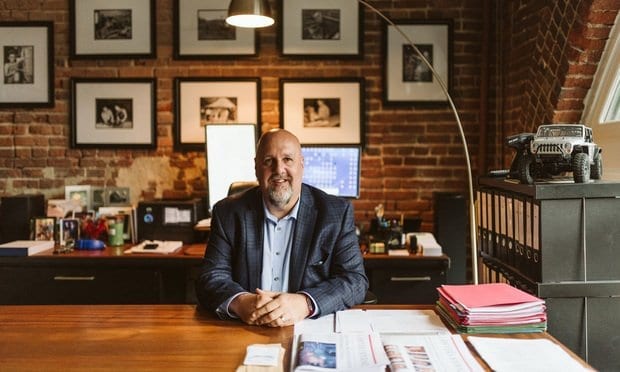
The Legal Intelligencer spotlights Attorney of the Year Nominee
The Legal Intelligencer spotlights Attorney of the Year Nominee and founding Lynch Carpenter LLP partner Gary Lynch, Esq. Gary "is involved in just about every major cyber breach litigation in the U.S., but such cases weren’t always his focus.”

Uber Sued for Discriminating Against Wheelchair-Users
Lynch Carpenter LLP and Disability Rights Advocates (DRA) filed a class action lawsuit against Uber, challenging the popular ride-sharing service’s failure to make wheelchair-accessible vehicles available in the Pittsburgh area through its rideshare service.
Today, Lynch Carpenter LLP and Disability Rights Advocates (DRA) filed a class action lawsuit against Uber, challenging the popular ride-sharing service’s failure to make wheelchair-accessible vehicles available in the Pittsburgh area through its rideshare service. The suit, brought by individuals in and around Pittsburgh, Pennsylvania, challenges Uber’s wheelchair-inaccessibility. The plaintiffs—four individuals who use wheelchairs—brought this action to end Uber’s discriminatory practices and policies.
Since launching its transportation service in San Francisco in July 2010, Uber has experienced explosive growth, has seized an ever-expanding market share from taxi companies, and is now a major provider of individual transportation services in over 450 cities in the United States, including Pittsburgh. However, Uber, a multi-billion-dollar company, does not provide wheelchair-accessible transportation in and around Pittsburgh, in violation of the Americans with Disabilities Act.
Uber has been sued in cities around the United States for its violation of disability laws by failing to provide wheelchair-accessible service, yet it has continued its policy of denying that service.
Uber’s failure to make accessible vehicles available through its service denies people in Pittsburgh who use wheelchairs access to reliable, on-demand transportation that could drastically improve their lives, enabling them to travel to a wider variety of destinations without having to rely on transportation via expensive and unreliable taxis, unreliable paratransit, and limited public transit. It would enable them to travel spontaneously, without having to schedule transportation hours or even days in advance. Unfortunately, Plaintiffs and members of the class are excluded from these benefits, and suffer real harm as a result.
For example, on multiple occasions Plaintiff Paul O’Hanlon has had to travel several miles by wheelchair when he has missed the last city bus. “By reason of my disability I am denied access to Uber’s on-demand transportation that allows others to move around the city on their own schedules,” he said. Similarly, Plaintiff Irma Allen must rely on her son for transportation, which requires him to take time off work and lose a day’s wages. Ms. Allen said, “My family and I are at a distinct disadvantage because Uber doesn’t provide wheelchair-accessible service. It’s not fair that we are being left behind while other folks are enjoying the benefits of Uber’s new technology.”
Michelle Iorio, Staff Attorney at Disability Rights Advocates, said, “Transportation can be a real challenge for people with mobility disabilities, who often don’t have access to their own vehicle and who frequently can’t depend on paratransit because it is unreliable. Accessible ride sharing would facilitate societal integration for persons with disabilities, and Uber’s failure to provide wheelchair-accessible service undermines this potential.”
Echoing this sentiment, Bruce Carlson, a founding partner at national class action firm Lynch Carpenter, LLP, noted: “Uber’s express business plan, as detailed in its regulatory filings, is to displace public transportation with its ride sharing services. The problem is that public transportation, where available, is largely accessible, but Uber’s ride sharing services are not. Uber wants to create a paradigm shift with respect to the provision of transportation services. But will the new paradigm realize the potential of exponentially increasing accessibility, or will it leave individuals with mobility disabilities behind?”
The lawsuit seeks modifications to Uber’s policies and practices to ensure that it makes wheelchair accessible vehicles readily available to persons who need them through its on- demand ridesharing services. Plaintiffs do not seek monetary damages.
In addition to the case filed today against Uber in Pittsburgh, DRA has filed cases against Uber in New York and California for their failure to serve riders who use wheelchairs. DRA has also filed a case against Uber’s competitor Lyft in California. These cases are critical to protecting the rights of wheelchair-users throughout the country.
A copy of the Complaint is available here.

Lynch Carpenter Partner, Kelly Iverson, Top 100 Trial Lawyers in Pennsylvania
 Congratulations to Lynch Carpenter LLP Partner, Kelly K. Iverson for being invited to join The National Trial Lawyers as one of the
Top 100 Trial Lawyers in Pennsylvania. Kelly is being recognized as a premier US trial lawyer who exemplifies superior qualifications as civil plaintiff or criminal defense trial lawyers.
Kelly has extensive litigation experience in both state and federal courts and has argued in front of the Superior Court of Pennsylvania.
Lynch Carpenter Super Lawyers & Rising Stars Announced
Every year Super Lawyers selects attorneys from all firm sizes & over 70 practice areas throughout the United States. Congratulations to Super Lawyers' Lynch Carpenter LLP Partner Gary Lynch, Ed Kilpela, & Todd Carpenter and Rising Stars Kelly Iverson, James McGraw & Jamisen Etzel.
Super Lawyers selects attorneys using a patented multiphase selection process. Peer nominations and evaluations are combined with independent research. Each candidate is evaluated on 12 indicators of peer recognition and professional achievement. Selections are made on an annual, state-by-state basis. The objective is to create a credible, comprehensive and diverse listing of outstanding attorneys that can be used as a resource for attorneys and consumers searching for legal counsel. Since Super Lawyers is intended to be used as an aid in selecting a lawyer, it limits the lawyer ratings to those who can be hired and retained by the public.
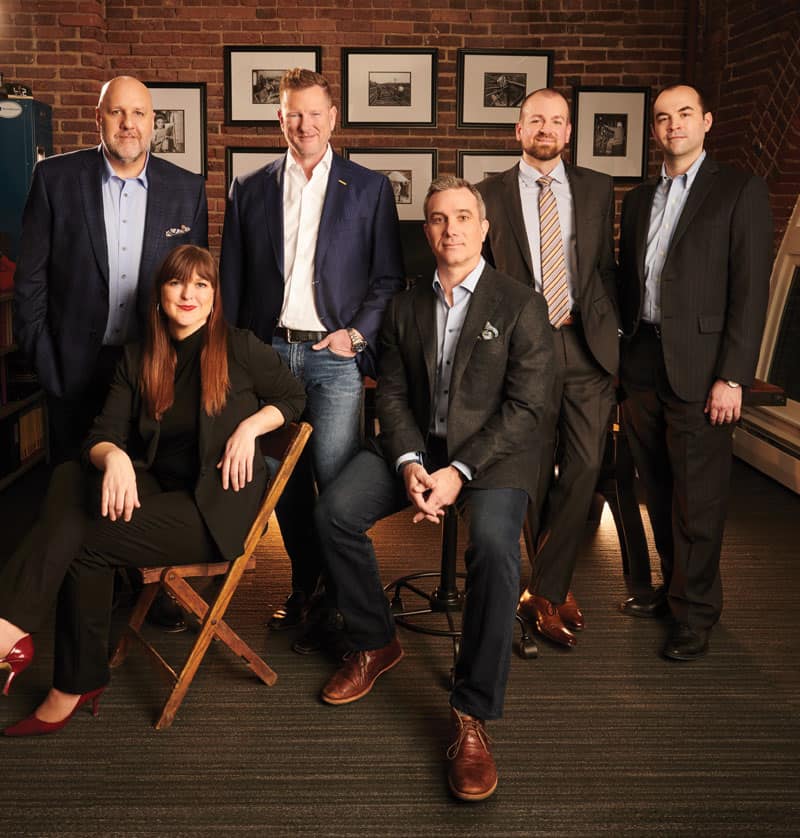
At Lynch Carpenter, our team has been elevating the level of discussion, debate and change towards justice in this country for more than thirty years.
"As we continue to raise the bar fighting for the rights of men & women, we congratulate this group for being selected this year's Super Lawyers* and Rising Stars** recipients." -Bruce Carlson and Gary Lynch
Pictured from left to right: Gary Lynch*, Kelly Iverson**, Bruce Carlson, Ed Kilpela*, James McGraw**, Jamisen Etzel**